Schneider Lab: Pioneering Big Data to Revolutionize Digital Prevention
Towards sustainable, innovation-driven data science for prevention and therapy of gastrointestinal and metabolic diseases

Our Mission
Our mission in the Schneider Lab is to use population-based genetic studies, lifestyle-related data and lipidomic data to advance our understanding of the underlying mechanisms that contribute to gastrointestinal and metabolic diseases, with a particular focus on liver-associated diseases. We aim to identify key risk factors and biomarkers that can be used to develop effective prevention and treatment strategies for these diseases. By integrating cutting-edge data science techniques with epidemiological research, we aim to generate actionable insights that can be applied at a population level to promote better health outcomes. Ultimately, our goal is to contribute to the development of sustainable and effective approaches to the prevention and treatment of gastrointestinal and metabolic diseases, and to improve the overall health and well-being of individuals and communities.
Impact-Driven Research
Conducting research that translates into tangible benefits for society and industry.
Innovation & Discovery
Exploring new frontiers in AI, machine learning, and computational methods.
Collaborative Excellence
Building partnerships across disciplines to solve complex problems together.
Our Research & Expertise
The primary focus of our goal is to use sustainable data science approaches to advance our understanding of the prevention and treatment of gastrointestinal and metabolic diseases. At Schneider Lab, we specialize in conducting cutting-edge research on the complex interactions between environmental, genetic, and lifestyle factors that contribute to the development and progression of these diseases. We use state-of-the-art data science techniques to analyze large and diverse datasets, including genomics, metabolomics, and microbiome data, to identify novel biomarkers, therapeutic targets, and personalized interventions that can improve health outcomes for patients. Our ultimate goal is to develop sustainable and effective strategies for preventing and treating gastrointestinal (GI) and metabolic diseases that can be applied at the population level.
Machine Learning
Advanced algorithms for pattern recognition, prediction, and decision-making systems.
Data Science
Large-scale data analysis, visualization, and extraction of actionable insights.
Computational Biology
Applying computational methods to understand biological systems and processes.
Medical AI
Developing AI solutions for diagnostics, treatment planning, and healthcare optimization.

Publications
Our research has been published in top-tier conferences and journals, advancing the state of the art in AI and computational science.
Association of statin use with risk of liver disease, hepatocellular carcinoma, and liver-related mortality. JAMA Netw Open
2023Vell et al. ,…Schneider CV
JAMA Netw Open
Comorbidities, biomarkers and cause specific mortality in patients with irritable bowel syndrome: a phenome‐wide association study
2023Seeling KS, Hehl L, Vell MS, Rendel MD, et al. **Schneider CV**
United European Gastroenterol J.
Dietary Vitamin E intake is associated with a reduced risk of developing digestive diseases and NAFLD
2022Scorletti E*, Creasy KT*, Vujkovic M, Vell M, Zandvakili I, Rader DJ, Schneider KM, Schneider CV
Am J Gastroenterol.
Association of Telomere Length with Risk of Disease and Mortality
2022Schneider CV, Schneider KM, Teumer A, Rudolph KL, Rader DJ, Strnad P.
JAMA Int Med
Physical activity is associated with reduced risk of liver disease in the prospective UK Biobank cohort
2022Schneider CV, Zandvakili I, Thaiss CA, Schneider KM
JHEP Reports
Research Projects
We work on cutting-edge projects that push the boundaries of what's possible with AI and machine learning.
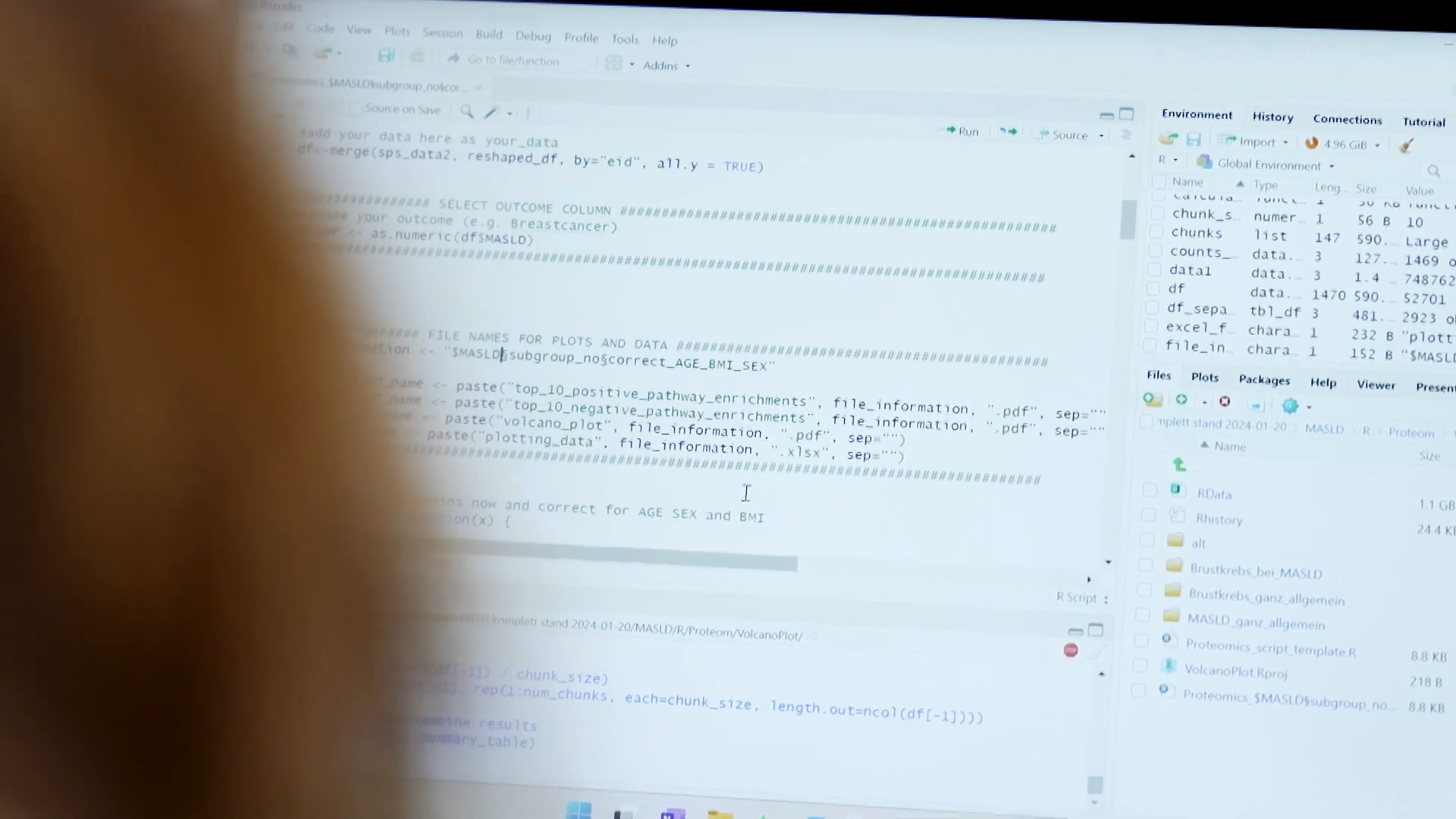
Medical Diagnosis Assistant
Interpretable AI for diagnosing diseases from medical imaging.
Our Team
Meet the brilliant minds behind our groundbreaking research in AI and computational science.
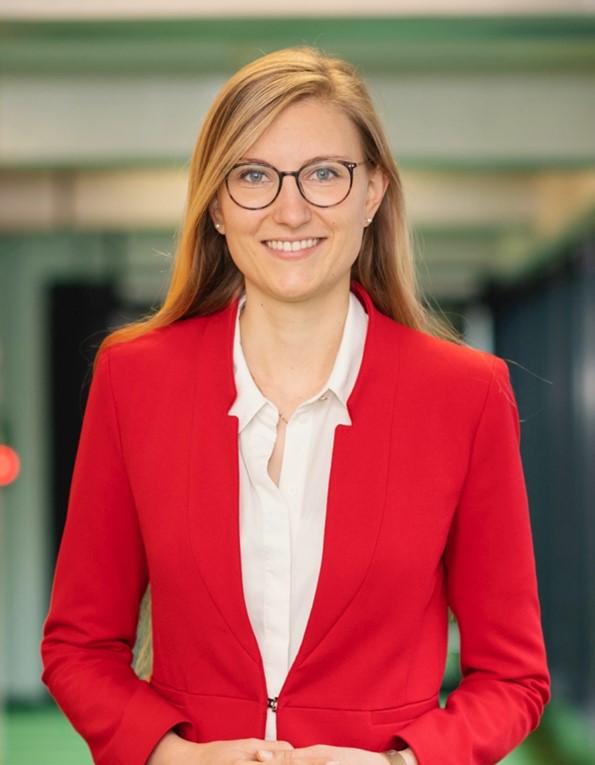
Carolin Victoria Schneider
Research Group Leader
She completed her medical education at the RWTH Aachen University and her postdoctoral fellowship at the University of Pennsylvania. Dr Schneider has received numerous awards and prizes, including admission to the Young Academy of the…
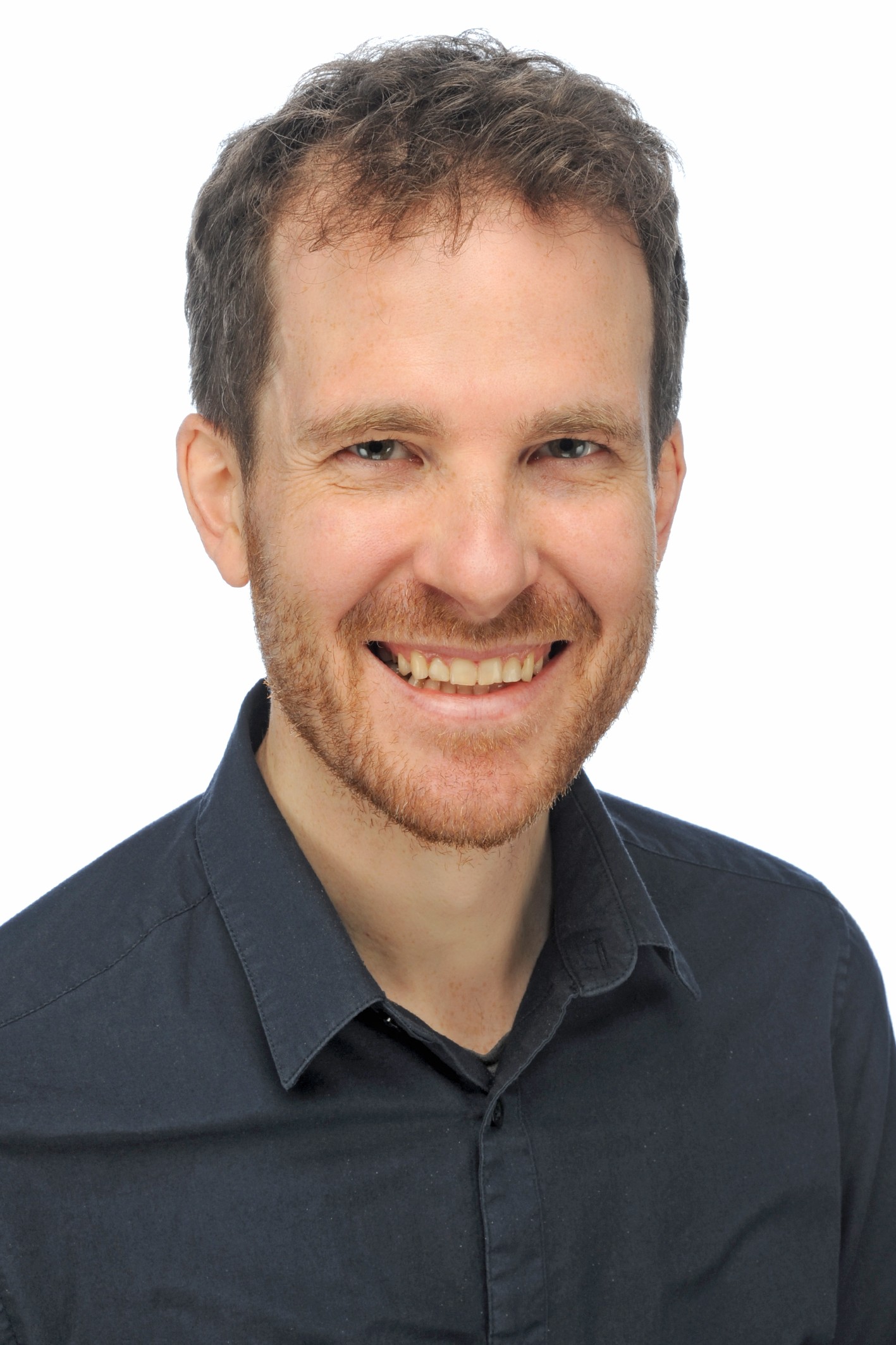
Benjamin Laevens
Postdoctoral Researcher
As a postdoctoral researcher, Dr. Benjamin Laevens supervises PhD students and promotes the integration of citizen science in prevention research. As an astrophysicist by training he bridges the gap between natural sciences, statistics and…
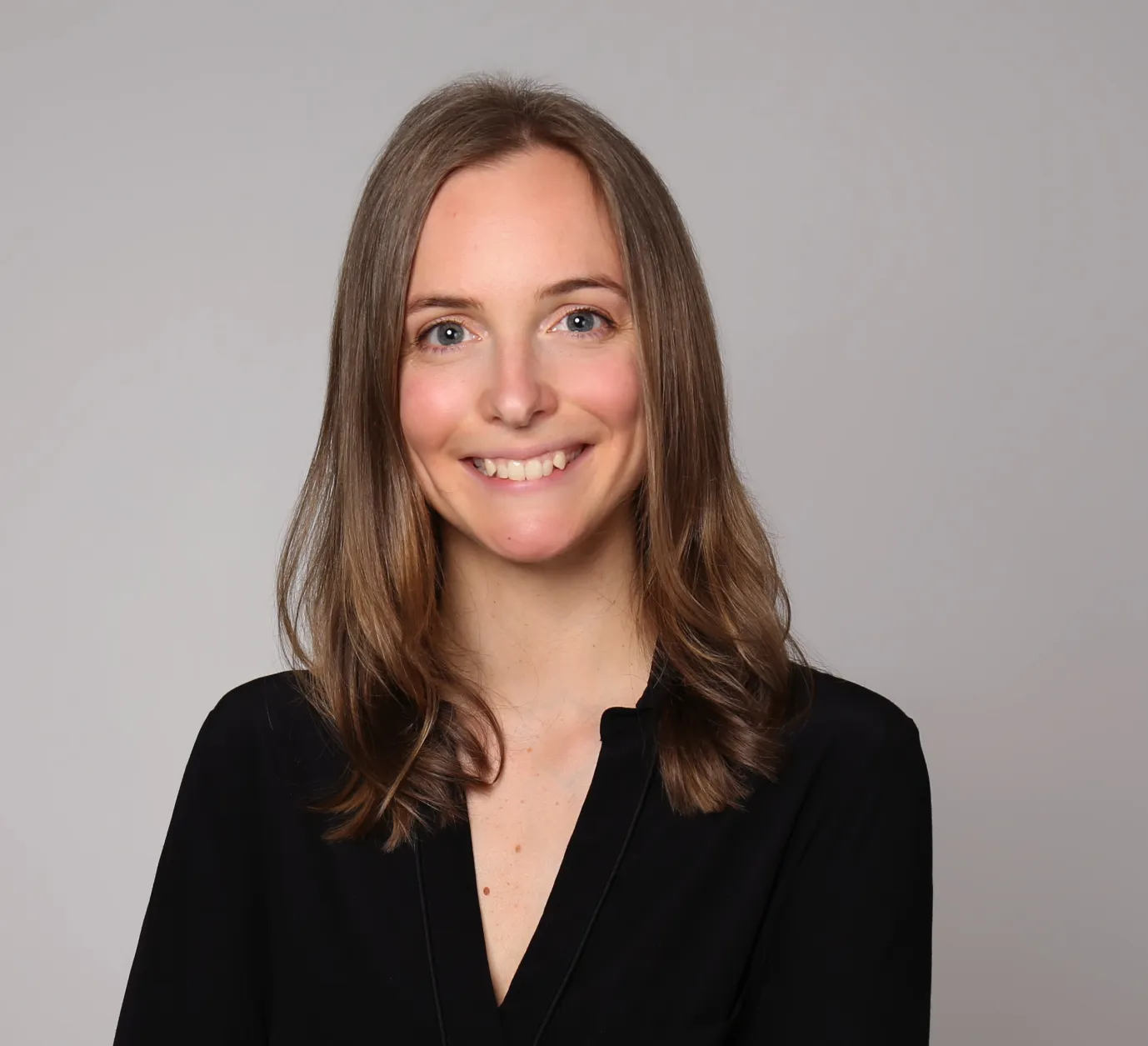
Corinna Meeßen
Postdoctoral Researcher
Corinna Meeßen is a postdoctoral researcher with a background in biomedical engineering and industry experience in quality control, management, and researc hand development in the field of advanced therapy medicinal products (ATMPs). Her…
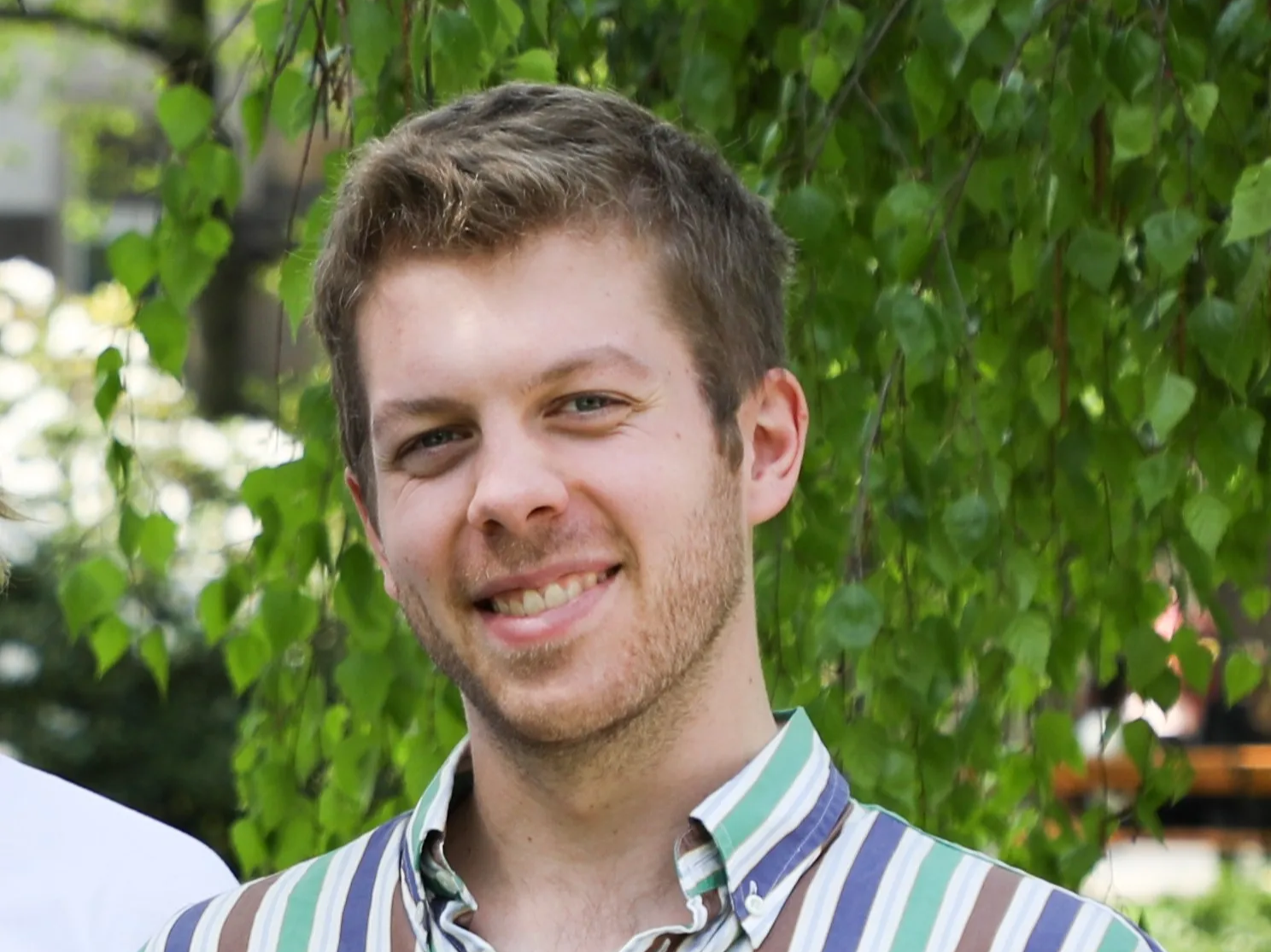
Jan Clusmann
Postdoc and Medical Doctor
Jan Clusmann, MD is a postdoc and medical doctor focusing on hepatocellular carcinoma (HCC) and is working on developing image analysis techniques using artificial intelligence to improve HCC diagnosis and treatment. His research involves…
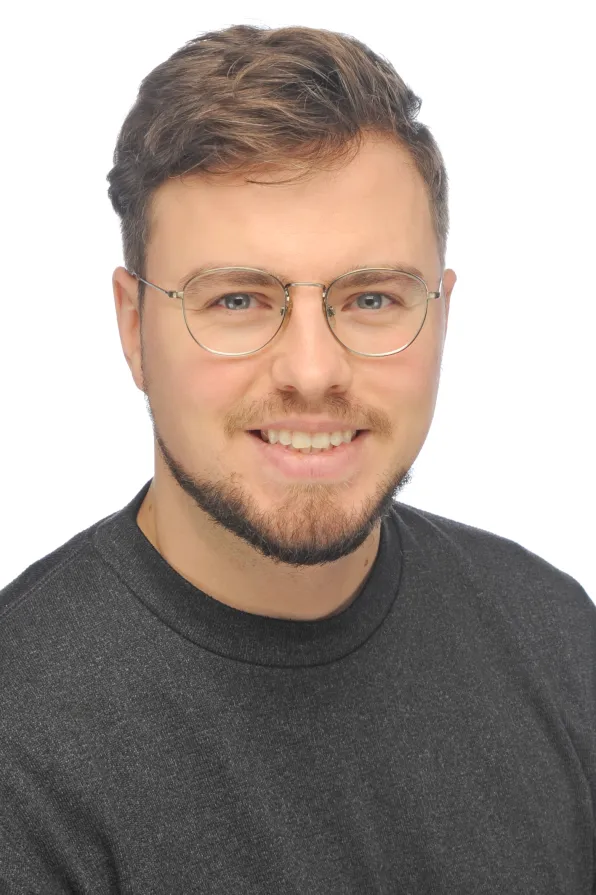
Tobias Seibel
Researcher
Tobias holds a background in Physics and Data Science with a focus on deep learning and computer vision. His previous work includes ultrasound-based lesion, steatosis, and fibrosis prediction, bowel disease severity assessment, tissue…
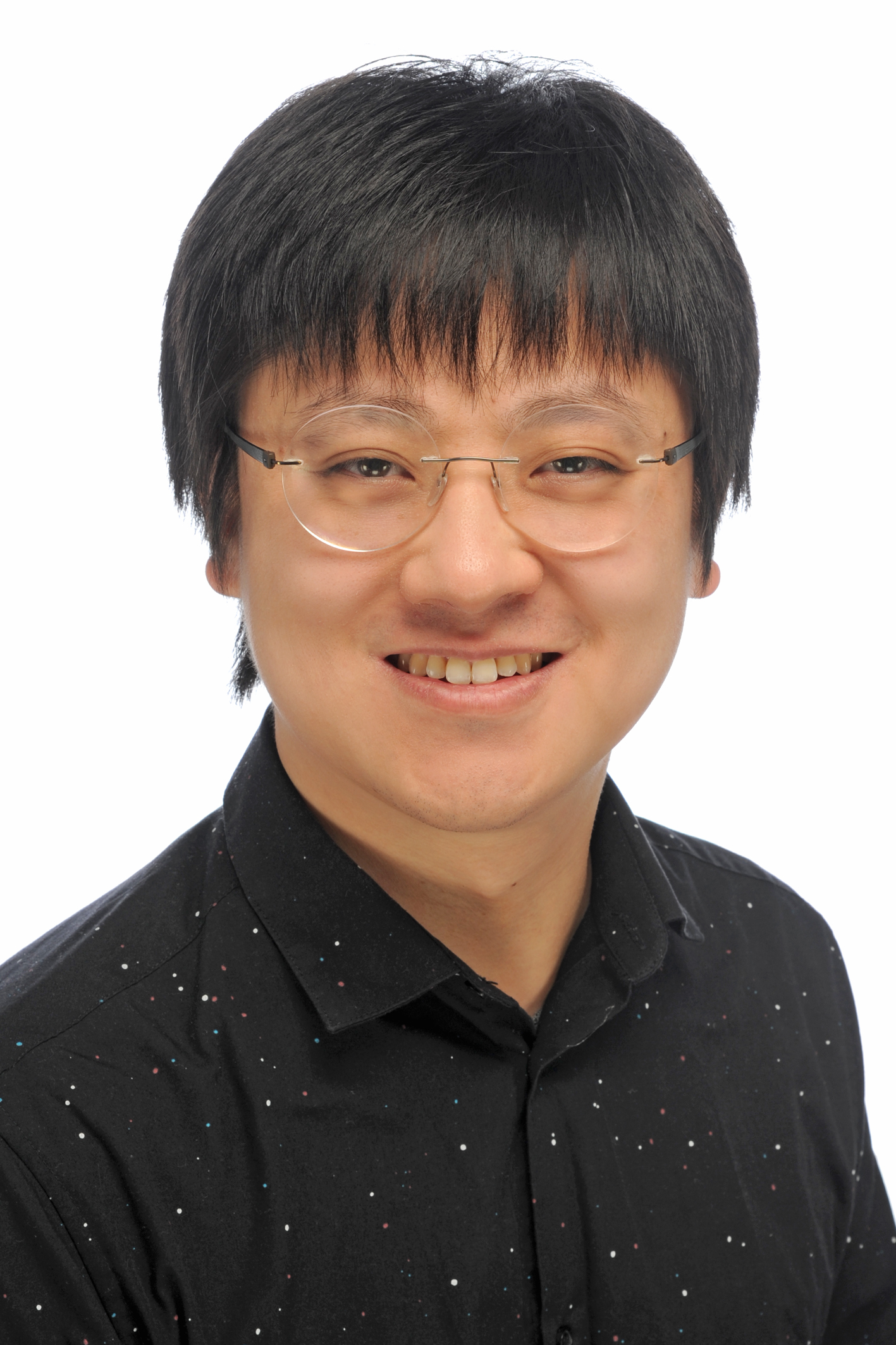
Yazhou Chen
PhD candidate
Yazhou Chen is a PhD candidate at Schneider Lab working on a project that aims to employ large-scale clinical and imaging data to unravel essential pathophysiological pathways linking MAFLD, plasma lipid metabolism, and CVD risk. Yazhou is…
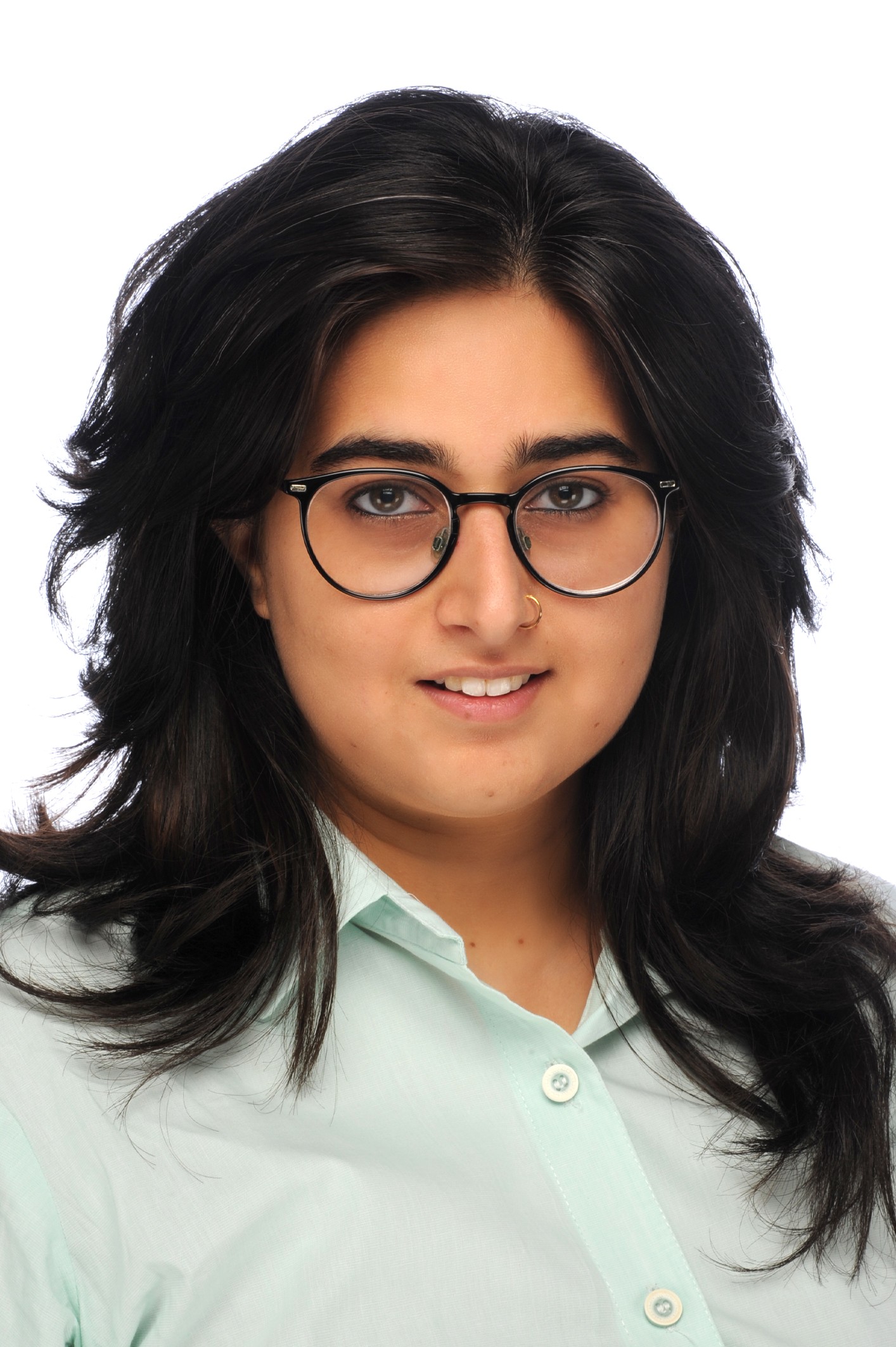
Niharika Jakhar
PhD candidate
Niharika's research focuses on investigating how changes in proteomics and metabolomics contribute to liver disease associated with metabolic dysregulation. Using constraint-based modeling and graph theory, she is working to uncover the…
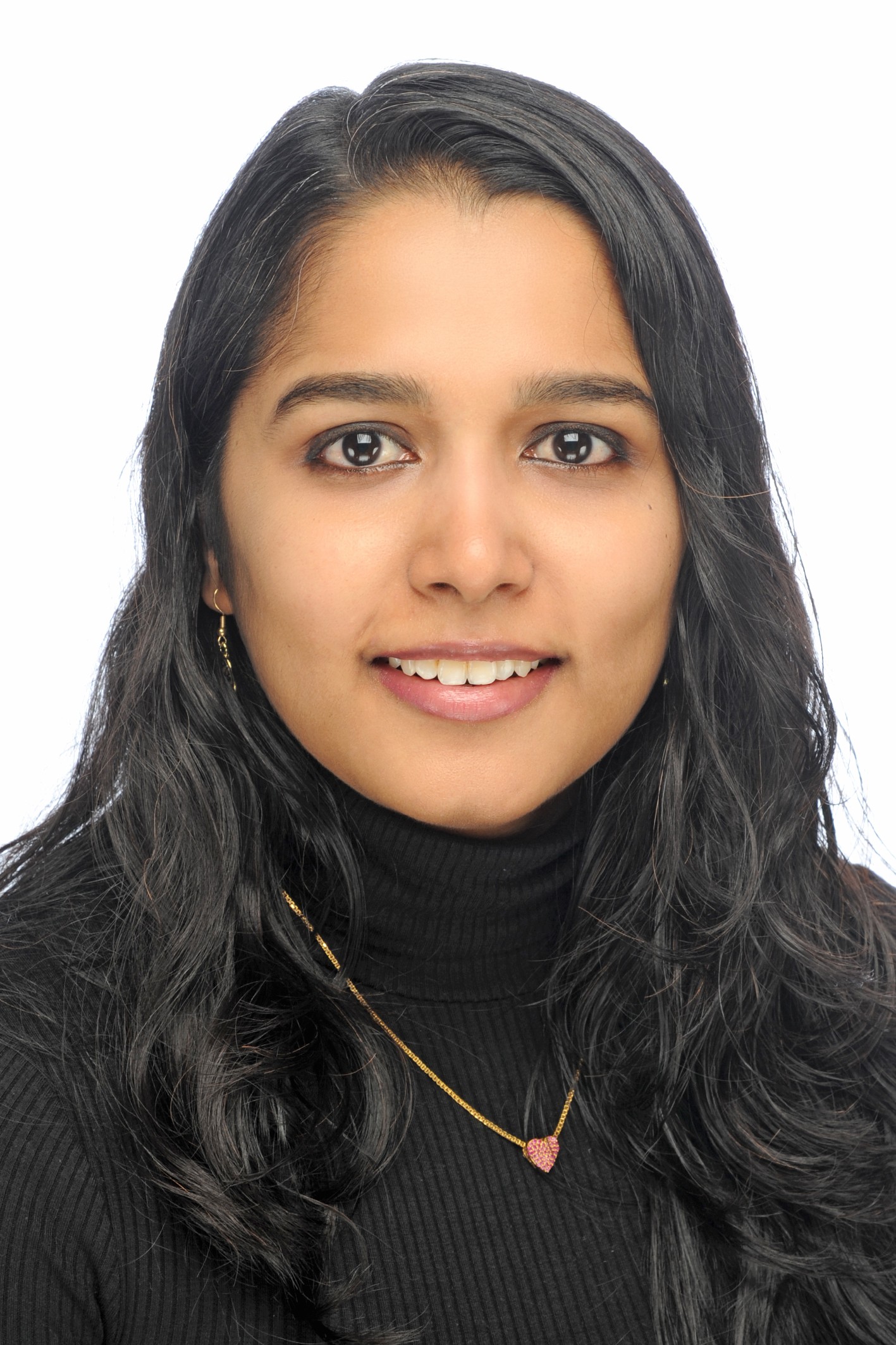
Thriveni Basavanapura Raju
PhD candidate
Thriveni is a PhD student whose research focuses on applying advanced Machine Learning and Artificial Intelligence models to large-scale medical datasets, including Lifelines and the UK Biobank. Her work aims to uncover the risk factors…
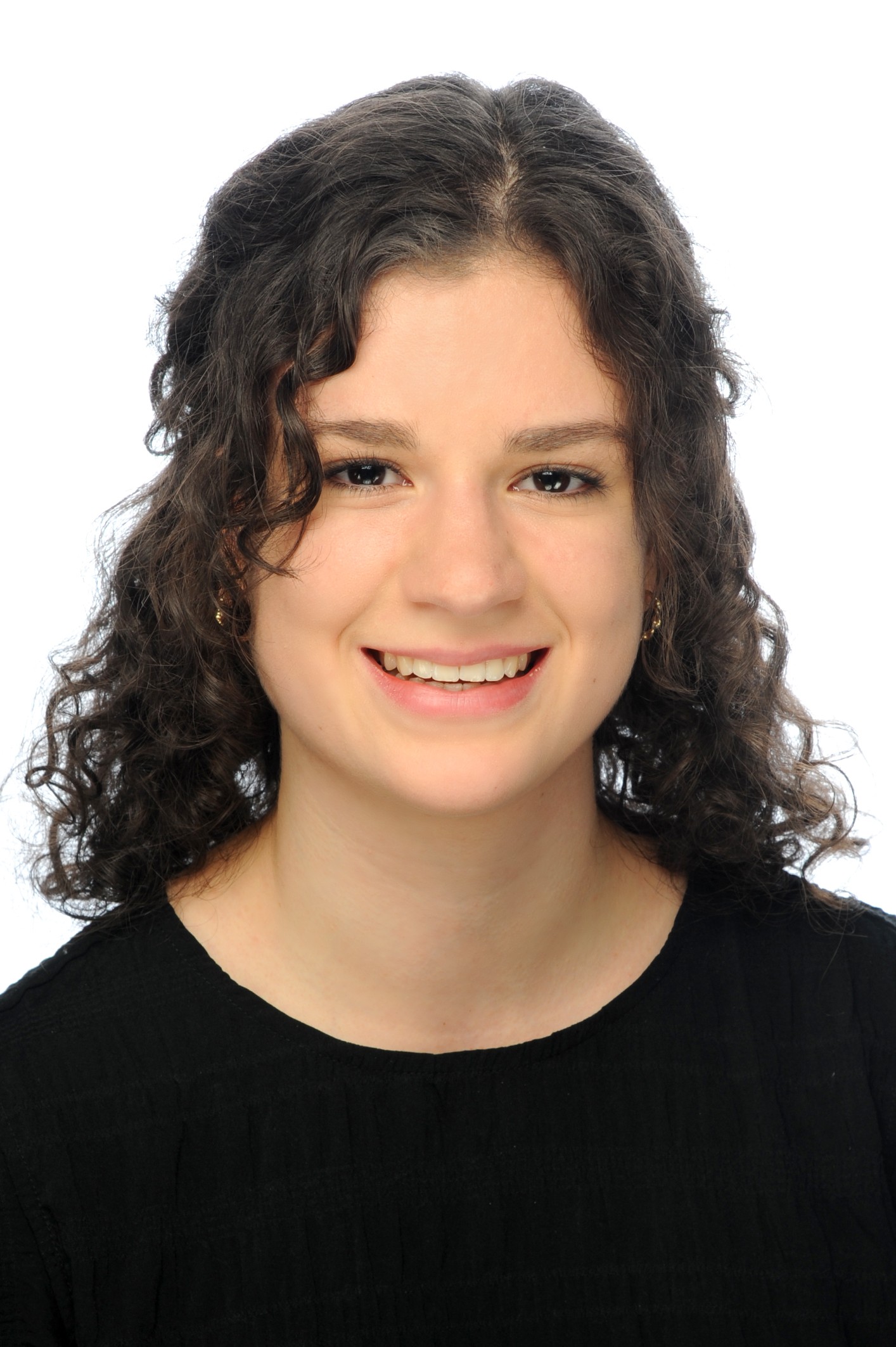
Sarah Moetamedi
MD student
Sarah Moetamedi is an MD student, whose work focuses on accurate prediction of the various subtypes of steatotic liver disease. Using different machine learning techniques, her research aims to discriminate between MetALD and MASLD and…
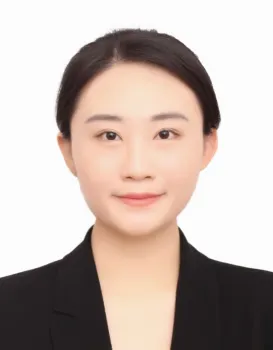
Yuanyuan Liu
MD candidate and Physician
Yuanyuan Liu is an MD candidate in the Carolin Schneider Lab at Uniklinik RWTH Aachen and a physician specializing in internal medicine. Her research focuses on risk assessment, patient stratification, and explainable prediction for…
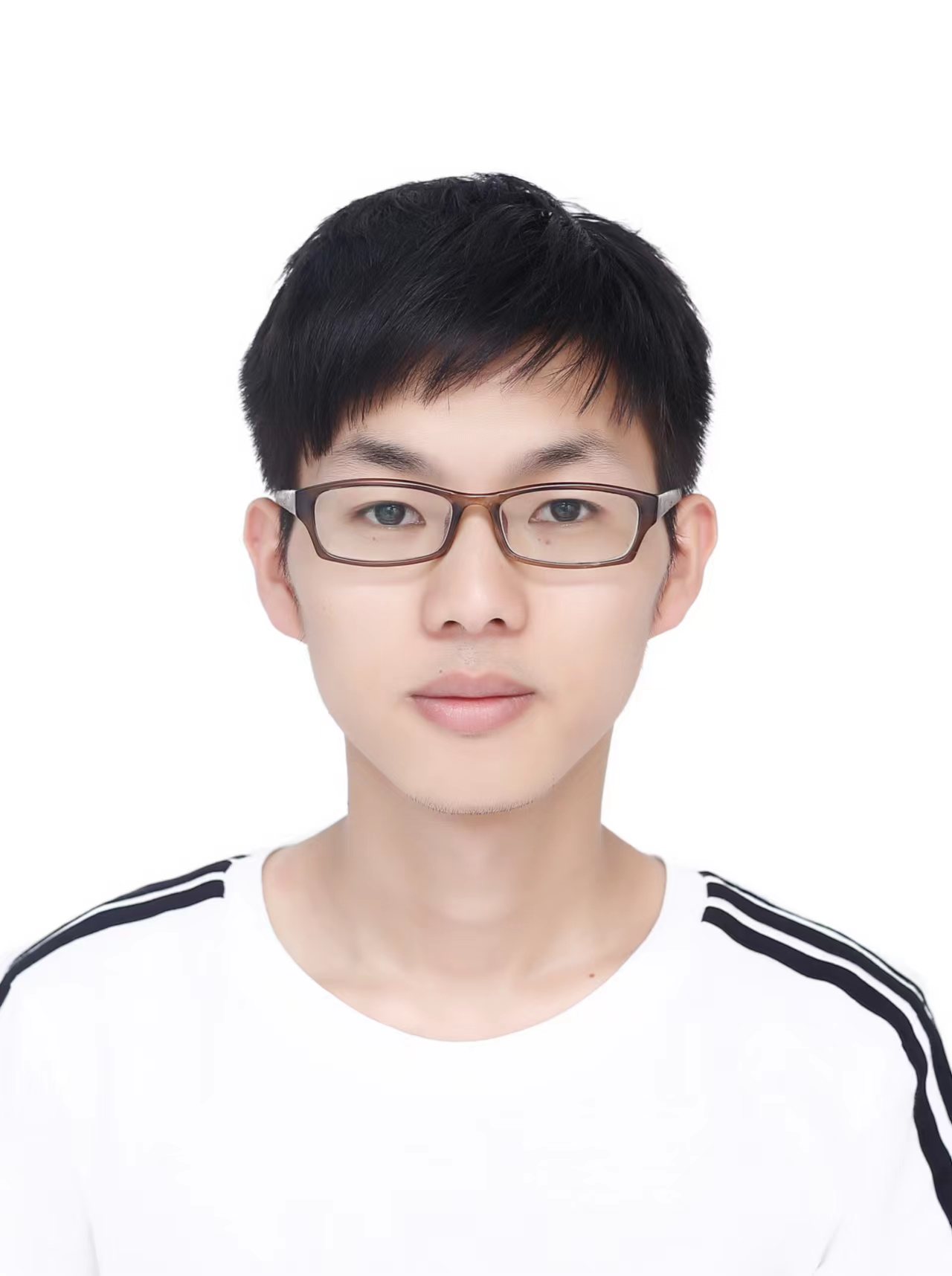
Feng Cao
Dr. med. candidate
Cao Feng is a Dr. med. candidate at RWTH Aachen University Hospital, working in Carolin Schneider’s laboratory. His research focuses on the associations between body composition and gastrointestinal diseases, particularly metabolic…

Holger Wilms
Physician and Specialist in Anaesthesiology
Holger Wilms, MD is a physician and specialist in anaesthesiology, intensive care medicine and emergency medicine, as well as a final-year student on the Master's program in Applied Health Informatics and Digital Medicine. He joined our…
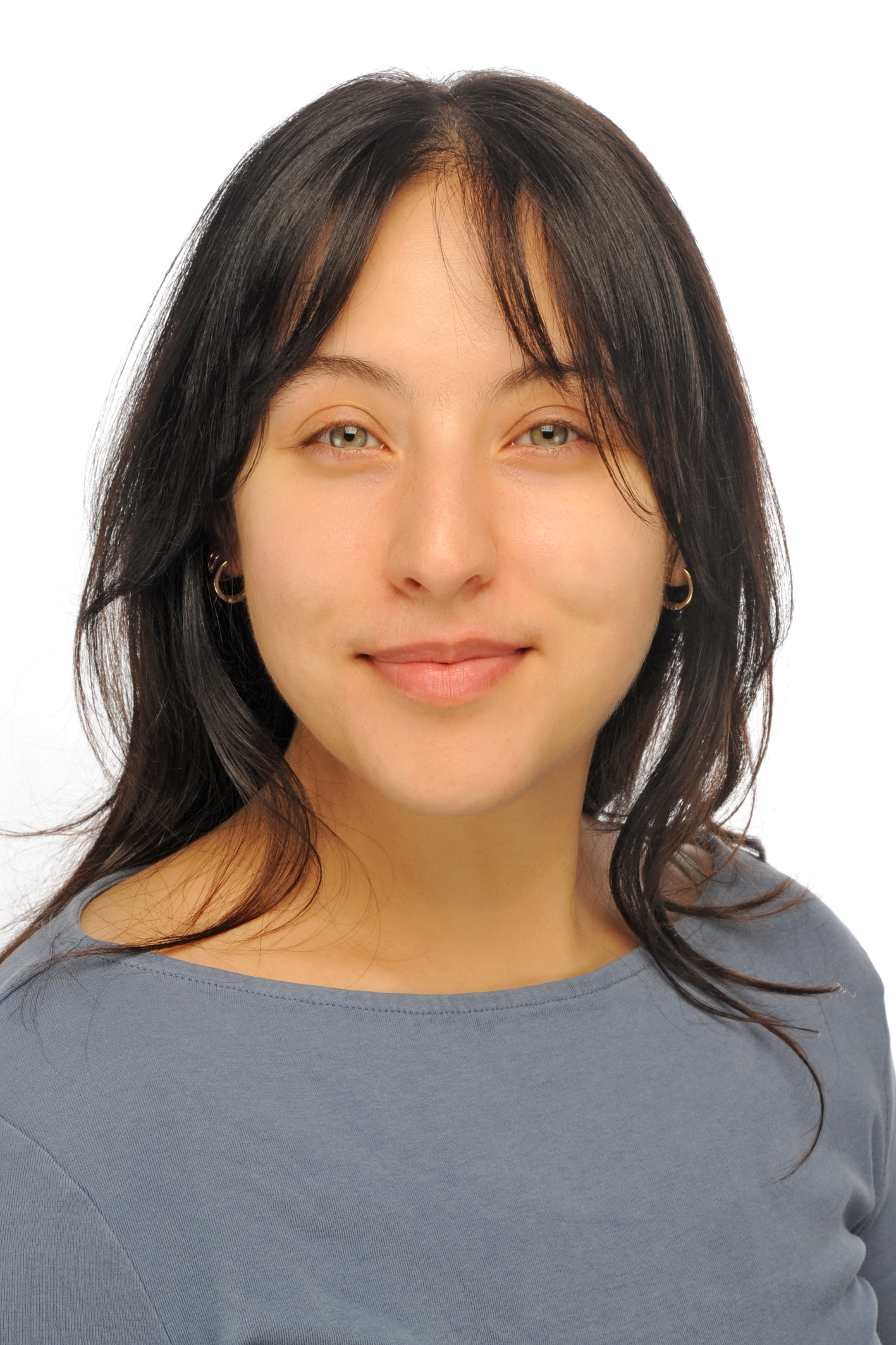
Anastasia Artemis Raptis
Physician
As a physician, Anastasia studies liver disease, focusing on predicting acute-on-chronic liver failure (ACLF) in high-risk patients. Her research analyzes patient characteristics and risk factors to better identify individuals most…
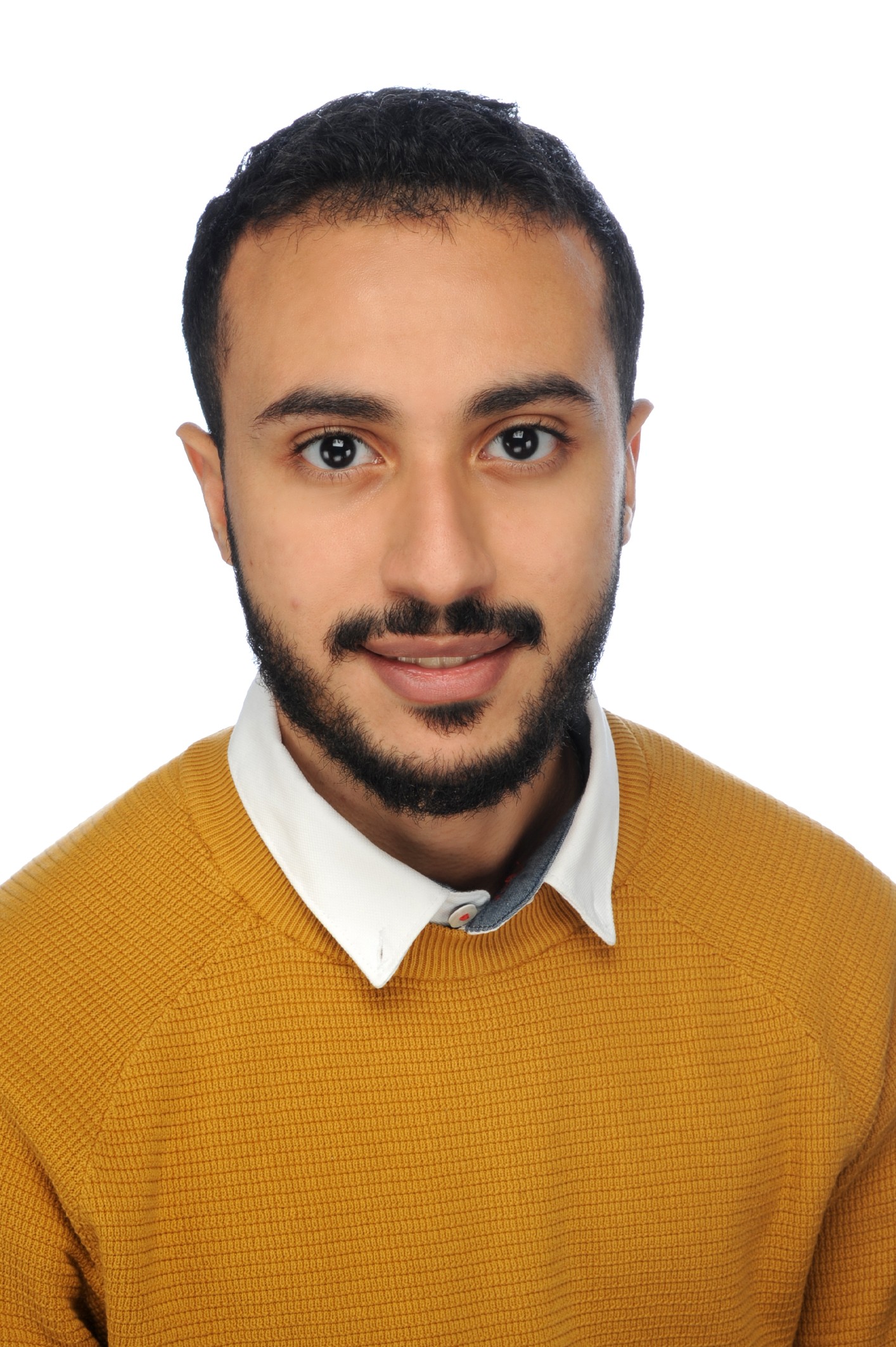
Abdallah Abouabdallah
Master student
As a master's student, Abdallah is developing a machine learning strategy to identify promising drugs for repurposing in the treatment of liver diseases. His research involves analyzing extensive datasets to uncover potential therapeutic…
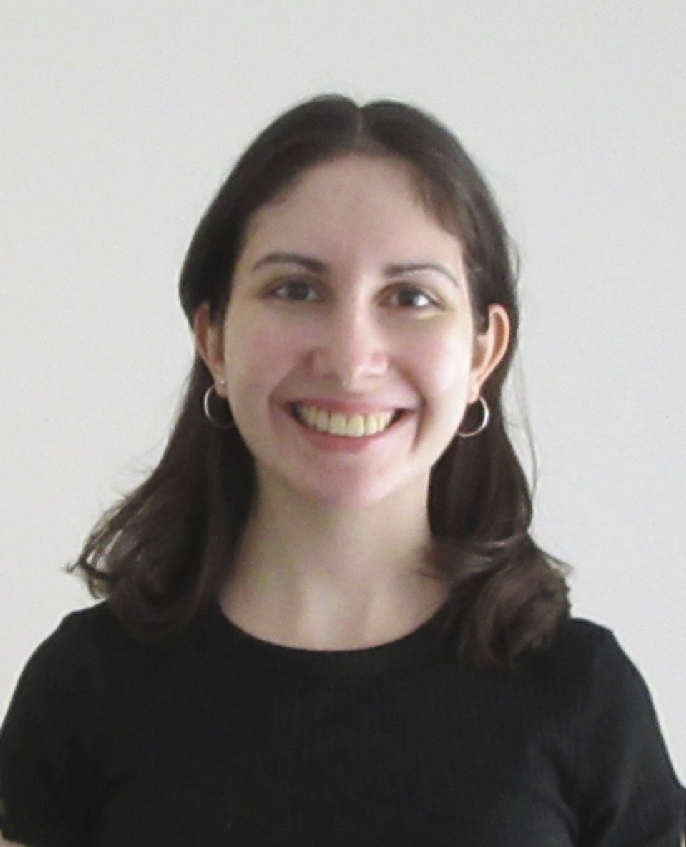
Aylin Özel
Master student
After completing her bachelor's degree in Mathematics Engineering at Istanbul Technical University, Aylin started her master's studies in Data Science at RWTH Aachen University. She is currently conducting her thesis research at the…
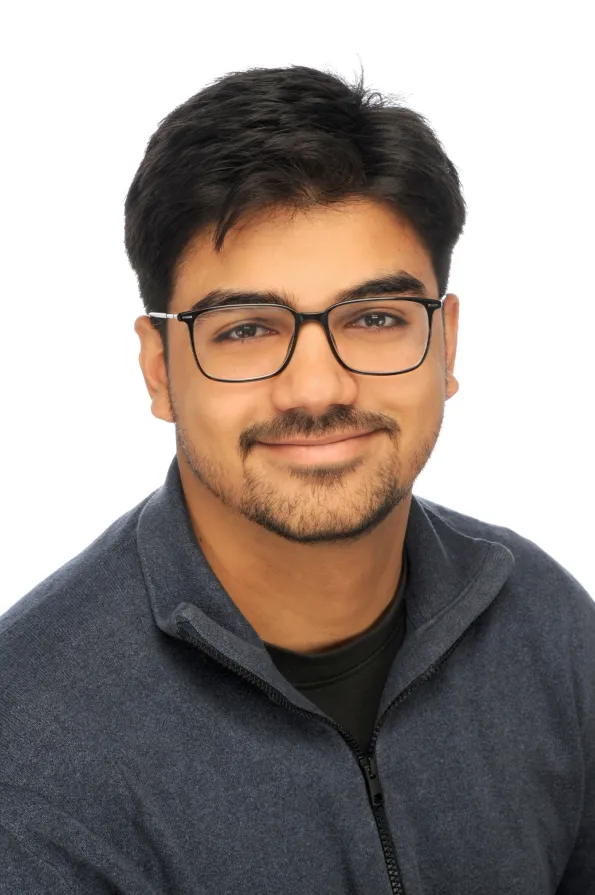
Abdullah Rehman
Bachelor student
Abdullah Rehman is a Bachelor’s student in Computer Science and works as a Research Assistant. His current work is focused on predictive modelling and Natural Language Processing (NLP), specifically within the context of clinical decision…
Get In Touch
Interested in collaboration, joining our team, or learning more about our research? We'd love to hear from you.
Contact Information
Address
Universitätsklinikum Aachen
AöR Pauwelsstraße 30
52074 Aachen
Our Collaborators
We are proud to work with these organizations